29 June 2026
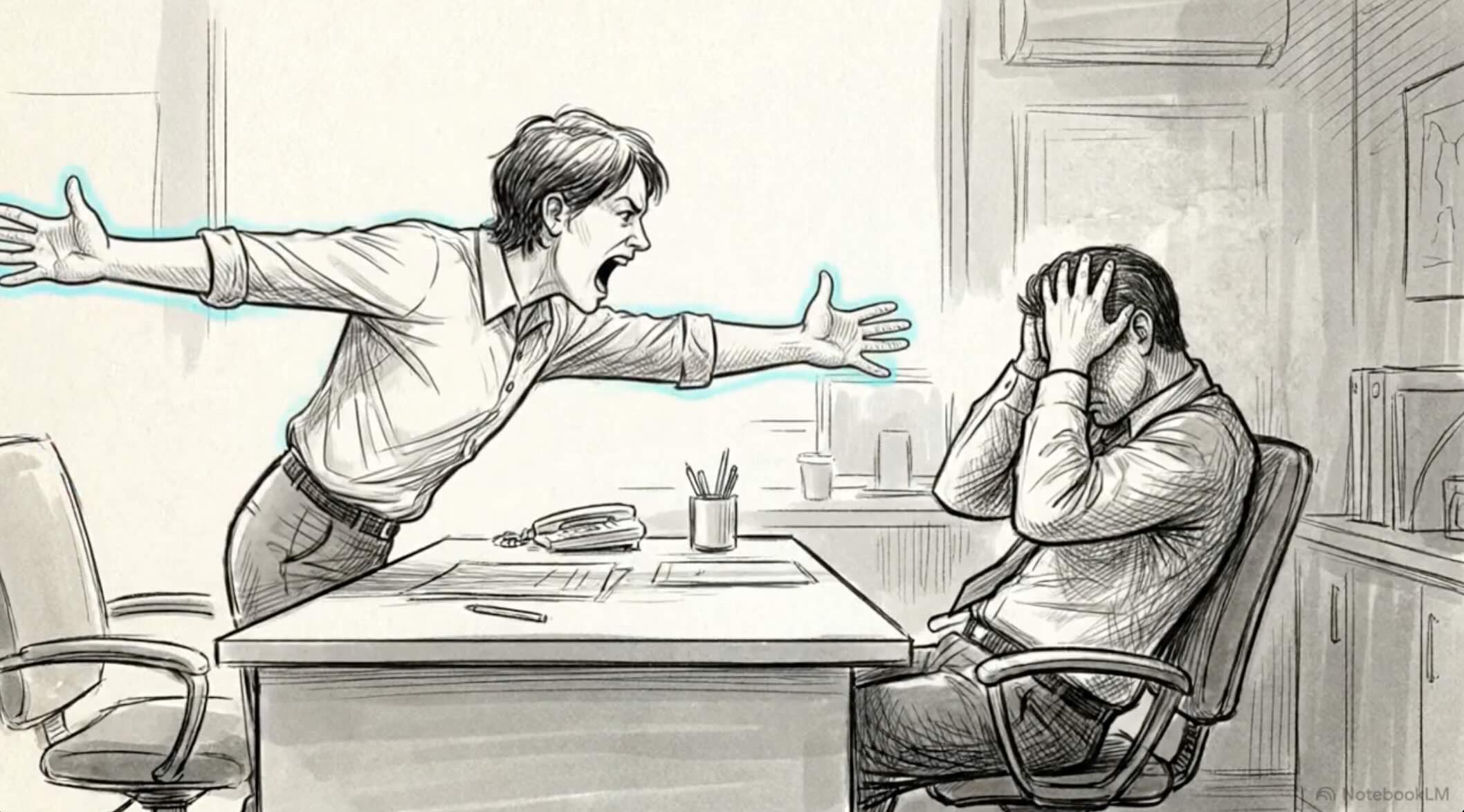
Complaining feels like action.
That is why it is dangerous.
Not because all complaints are bad. A complaint can be the first honest signal that something is wrong. Someone says the process is broken, and a company fixes it. Someone says the rule is unfair, and a community changes it. Someone says, “This hurts,” and a relationship finally stops pretending.
Some complaints are levers.
The problem is that many complaints are not levers. They are sedatives.
They lower the pressure just enough to keep us from moving.
When we complain, something happens. The body relaxes. The story becomes clearer. The villain appears. A friend nods. A colleague says, “Exactly.” A social post gets sympathy. The mind receives a small payment.
And because something happened, we can mistake it for progress.
But describing the problem is not the same as changing it.
This is the quiet trap. We think we are being honest, and sometimes we are. We think we are processing, and sometimes we are. We think we are speaking truth, and sometimes we are.
Then the same complaint returns next week.
And the week after.
And six months later, we know the story so well that it starts knowing us.
At that point, the complaint has stopped being a signal. It has become a residence.
The Hidden Reward
People do not complain because they are stupid.
They complain because complaining works quickly.
It gives relief without responsibility. It gives belonging without intimacy. It gives moral posture without moral labor. It gives the feeling of doing something while protecting us from the inconvenience of doing anything.
That last part matters.
Many complaints are not really about the stated problem. They are protecting something underneath.
Usually fear.
Fear of failure.
Fear of responsibility.
Fear of uncertainty.
Fear of inadequacy.
The complaint says, “This is unfair.”
The hidden fear says, “What if I try and still fail?”
The complaint says, “Nobody helps me.”
The hidden fear says, “What if I have to ask clearly and risk rejection?”
The complaint says, “The system is broken.”
The hidden fear says, “What if the system is broken and I still have to act?”
Whining is not always the wound.
Often, it is camouflage.
This is why telling someone to “stop complaining” rarely works. It asks them to remove armor before they understand what battle they are in. A better question is not, “Why are you so negative?”
It is:
What would you have to face if you stopped saying this?
That question is uncomfortable because it returns us to agency.
The Difference Between A Lever And A Couch
Blame can reveal a cause. Sometimes the boss really is bad. Sometimes the rule really is stupid. Sometimes the economy, the institution, the family pattern, or the process really is broken.
The issue is what blame does after the first sentence.
If it reveals a lever, use it.
If it becomes a couch, get up.
The same is true of public outrage. Awareness can be a first step, but awareness is not repair. Posting is not organizing. Volume is not leverage.
Useful complaint has a next move.
It becomes a request, a boundary, a decision, a plan, a repair, a vote, an experiment, or a clean refusal.
Sterile complaint repeats itself for emotional effect.
It recruits witnesses. It gathers sympathy. It becomes polished. It develops better phrasing. It learns timing. It may even become funny.
But it does not move.
The Question That Breaks The Loop
There is one question I keep returning to:
What does this situation require from me now?
Not:
Who is to blame?
Not:
Why is this unfair?
Those questions may matter. But if they never lead to the next question, they become a trap.
What does this situation require from me now?
Maybe it requires courage.
Maybe a difficult conversation.
Maybe rest.
Maybe a boundary.
Maybe a smaller goal.
Maybe an apology.
Maybe a job application.
Maybe one boring form filed before Friday.
The answer is rarely glamorous. That is why it works. Drama loves big feelings. Agency loves small verbs.
Send.
Ask.
Practice.
Leave.
Rest.
Repair.
Refuse.
Try.
A Small Operating System
The cure for whining is not fake positivity.
It is conversion.
Let the complaint enter the room. Do not let it move in and choose the curtains.
Try this:
- Notice the complaint.
- Name the need.
- Ask what fear it may be protecting.
- Convert it into one next action.
If you need comfort, ask for comfort.
If you need change, make a request.
If you need justice, gather facts and choose a lever.
If you need rest, rest without narrating your martyrdom.
If you need courage, choose one small duty and own it.
The point is not to become a person who never complains. That would be vanity with a meditation app.
The point is to stop complaint from becoming your permanent address.
That is the real cost of chronic whining. Not that other people get tired of hearing it, though sometimes they do. The deeper cost is that repeated complaint trains the mind. It teaches you where to look, what to notice, and what to expect from the world.
Over time, complaining stops being something you do.
It becomes a place you live.
And there are better places to live.
This essay draws from F*ck Whining: Stop Playing The Victim And Start Living, a practical book about turning complaint into agency. Amazon.